Five pillars. Ten founding projects. One rule.
Everything we fund is delivered by Kenyan organisations, procured from Kenyan suppliers, and verified on the Uwazi ledger. These are the founding projects: costed, scoped county by county, and waiting for the partners who will fund them first.
Status: founding pipeline · costs are planning estimates refined with delivery partners at funding
01
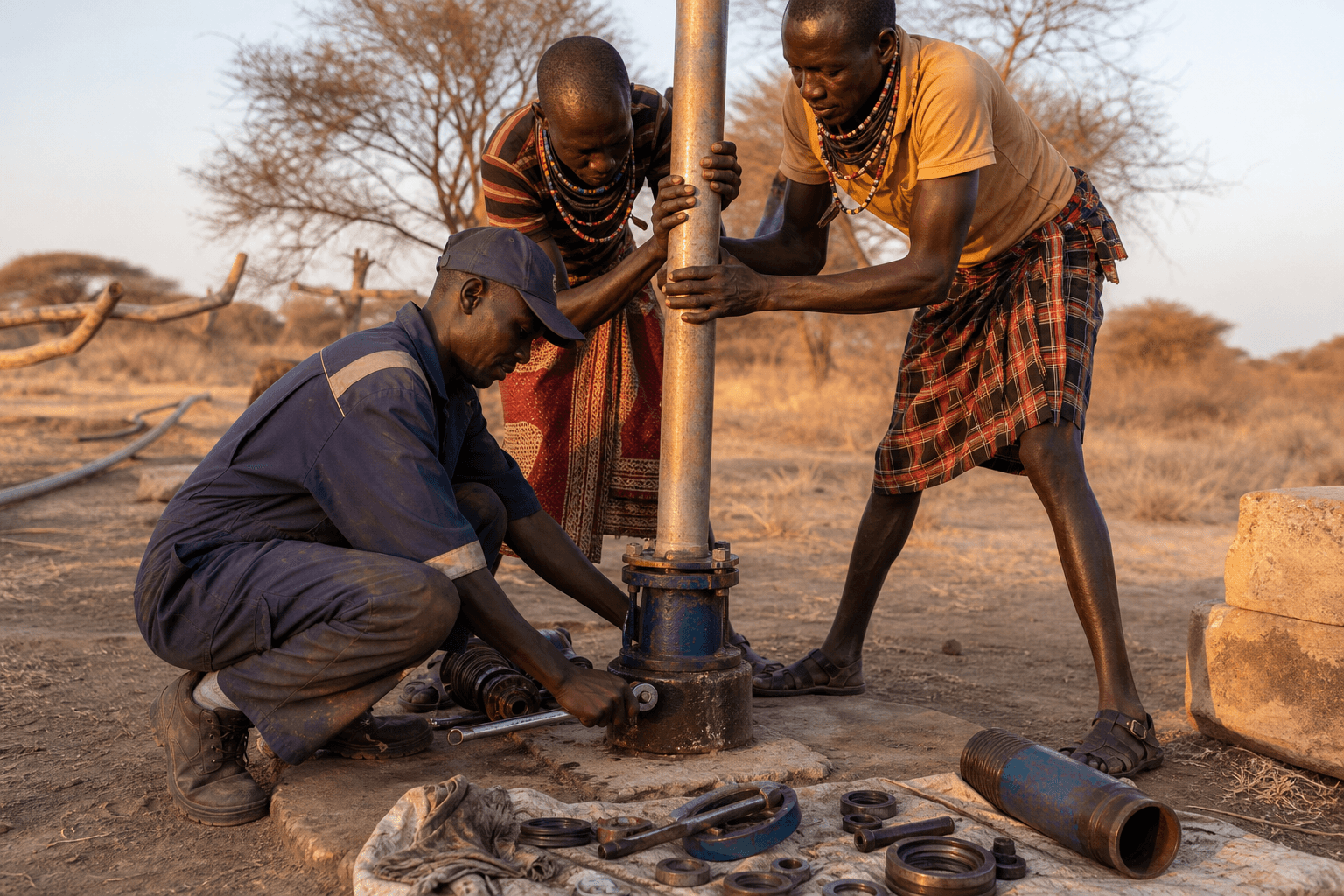
Water points that still work a year later
Roughly three in ten Kenyans lack basic drinking water services, and in the arid north the figure is far worse. The sector's quiet scandal is not the wells that were never drilled; it is the ones that were drilled, celebrated, photographed and then broke, with nobody funded to fix them.
~30%of Kenyans lack access to basic drinking water services
Water: projects and approach→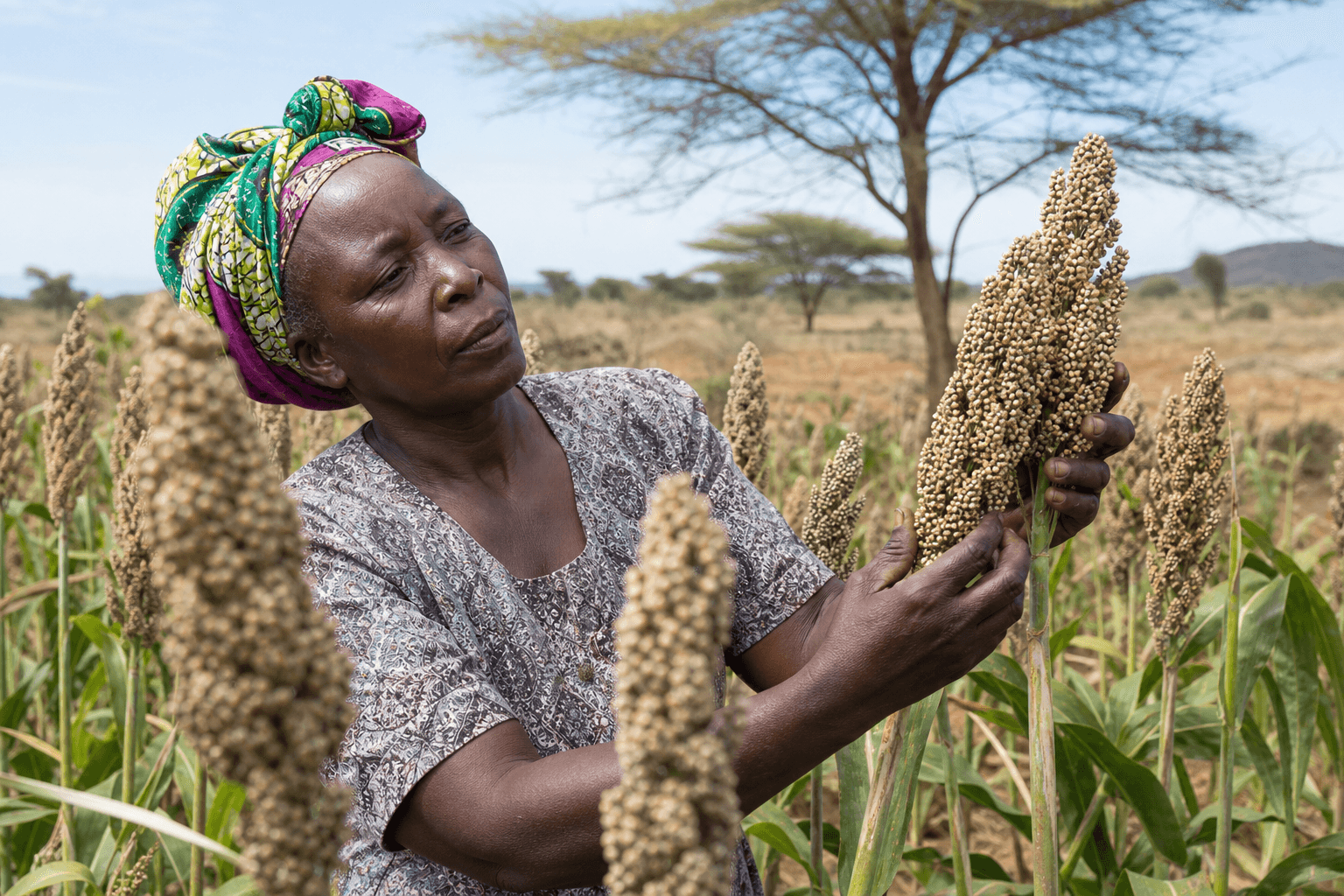
02
Food security bought from Kenyan farmers, not shipped past them
In drought years upwards of five million Kenyans face acute food insecurity. Food aid that arrives as imported surplus undercuts the same local farmers who could be growing the answer. Buying relief locally feeds two families: the one who eats and the one who grew it.
5.4MKenyans faced acute food insecurity at the 2022-23 drought peak
Food Security: projects and approach→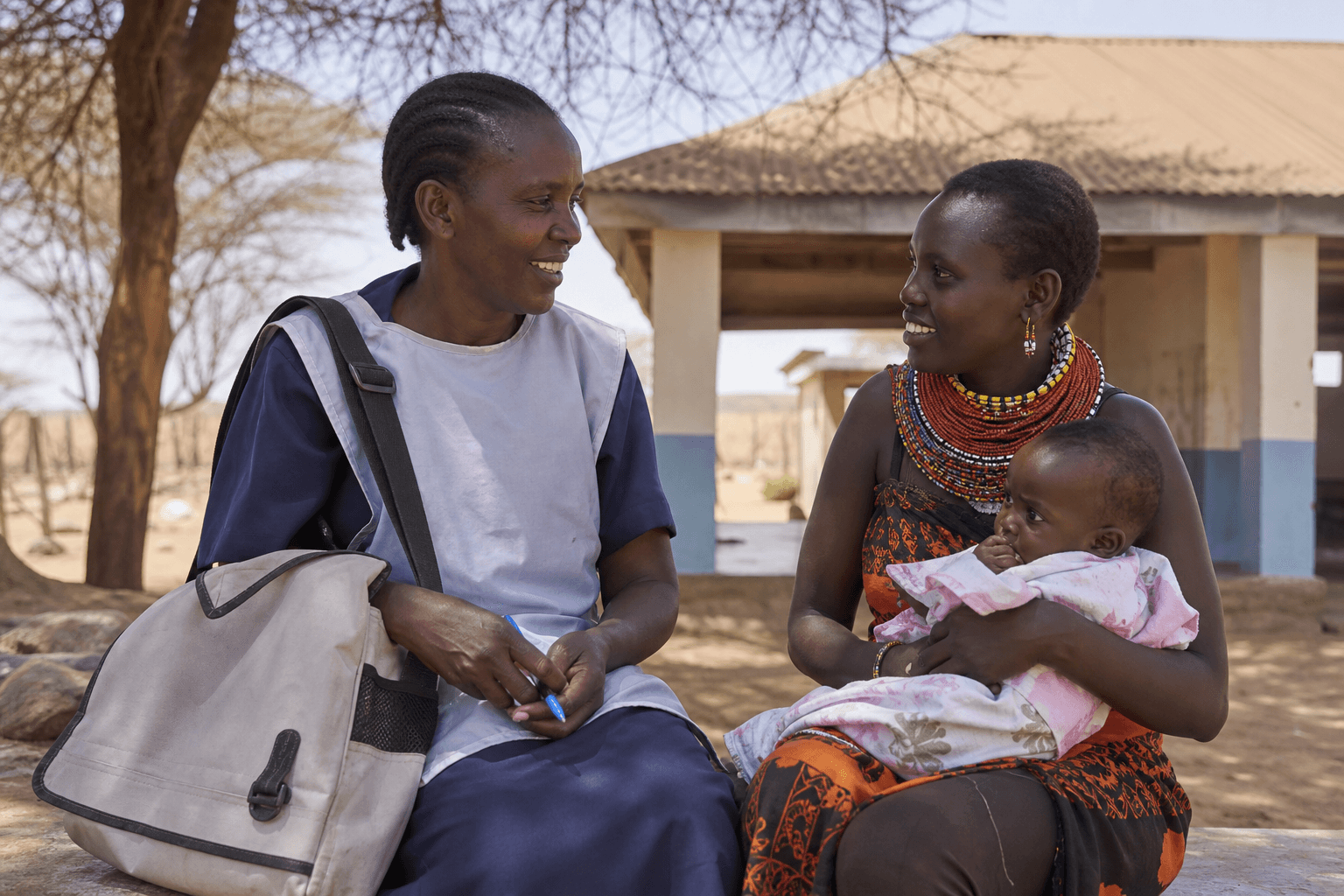
03
Health care that reaches the village, not just the highway
Out-of-pocket health costs push hundreds of thousands of Kenyan families into poverty every year, and the burden lands hardest on mothers and children far from tarmac. Community health volunteers carry the last mile on foot, usually unpaid and under-equipped.
1M+Kenyans a year are pushed into poverty by health costs
Health: projects and approach→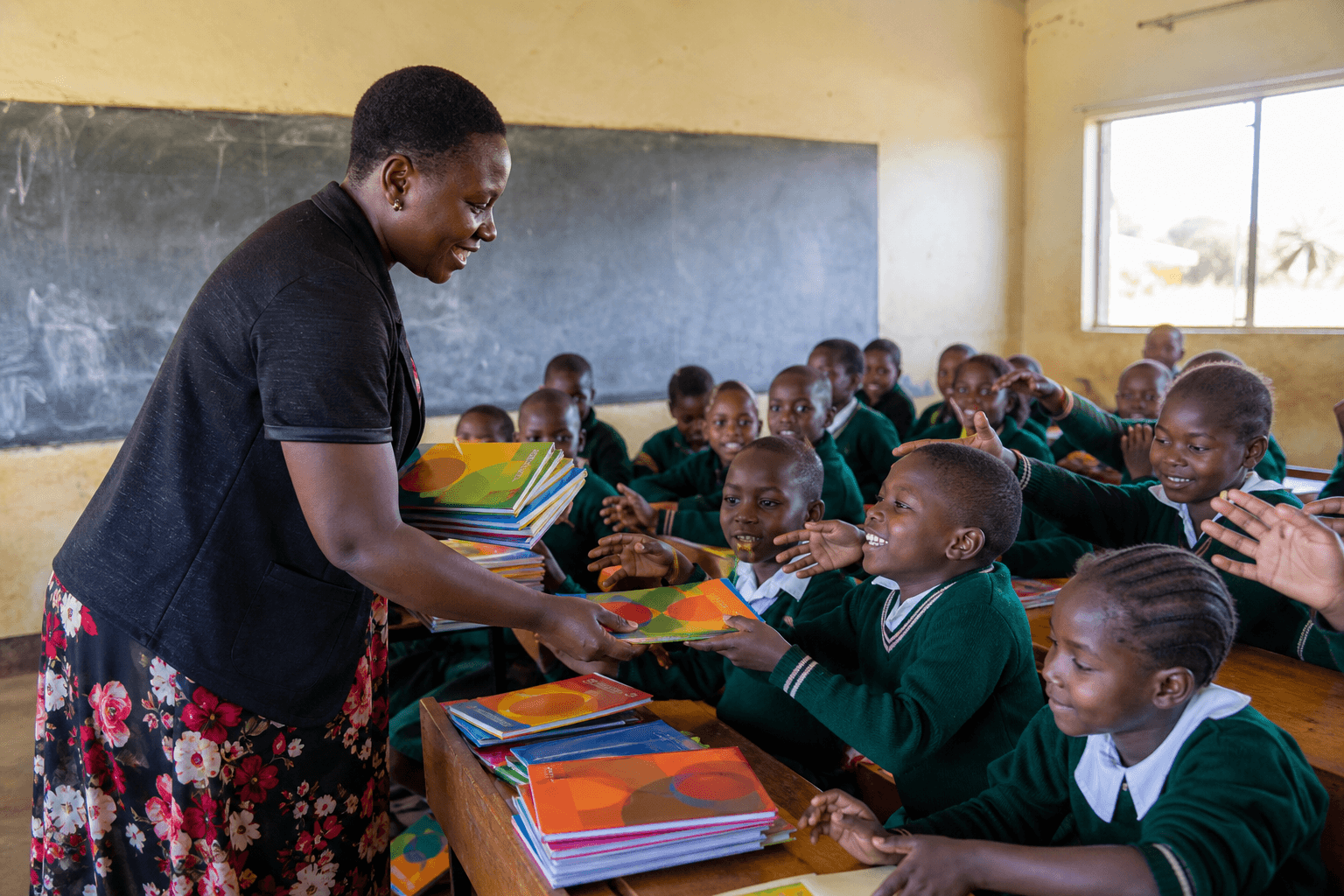
04
Books printed in Nairobi, futures written everywhere
Kenyan children enrol in school at remarkable rates, but many share a single textbook between three or more pupils, and too many ten-year-olds cannot yet read a simple story. The gap is not ambition. It is materials, teachers' support and the cost of staying in class.
3:1pupils sharing one textbook in under-resourced counties
Education: projects and approach→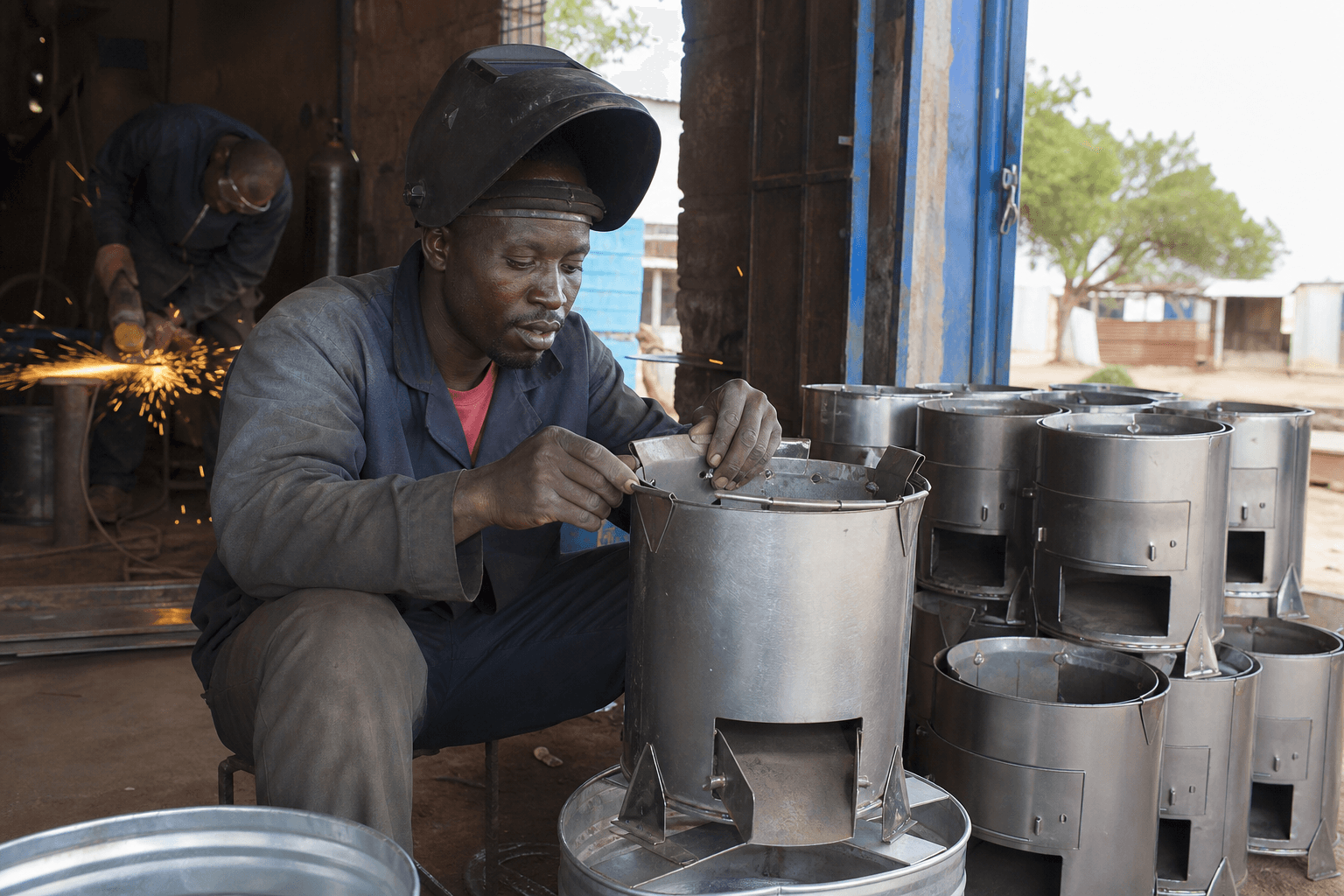
05
Clean energy, fabricated in Kenya
Around seven in ten Kenyan households still cook on smoky biomass fires, a leading cause of respiratory illness among women and children. Meanwhile Kenyan workshops already fabricate efficient stoves and install solar; what they lack is order books.
~70%of Kenyan households rely on smoky biomass fuels for cooking
Clean Energy: projects and approach→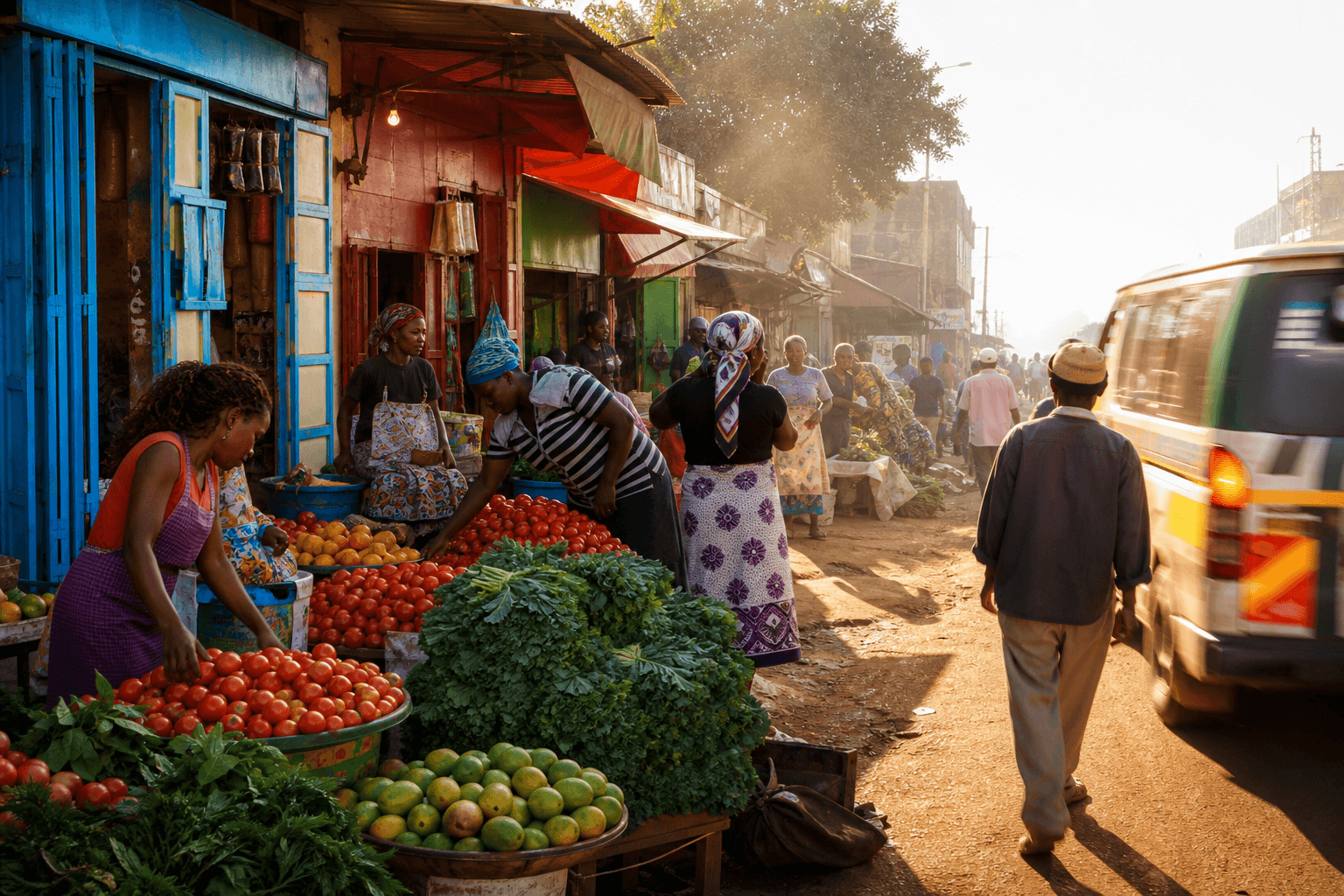
Nakuru · Turkana · Makueni · Homa Bay · Samburu · Kisumu · Kajiado · Kericho · Kitui · Baringo
Every project names its county, because Africa is not a place you can verify.
Fund a founding project→